
Good Stuff Exchange Webinar
Recruitment campaigns that deliver on tight budgets

Recruitment in the NHS and public sector is under pressure
Budgets are tight. Expectations are high. And the need to attract the right people hasn’t gone away.
So, the question is a simple one:
How do you create recruitment campaigns that actually perform in that environment?
This was the focus of our first Good Stuff Exchange webinar, our new series created to share practical insight from real positive impact comms and marketing across the public sector, including NHS and not-for-profit.
Unpacking what works, in practice
How do you deliver high-impact recruitment campaigns when budgets are tight, but expectations are high?
Rather than talking in theory, our webinar centred around a real campaign, exploring what sat behind it, what made it effective, and what others could take from it.
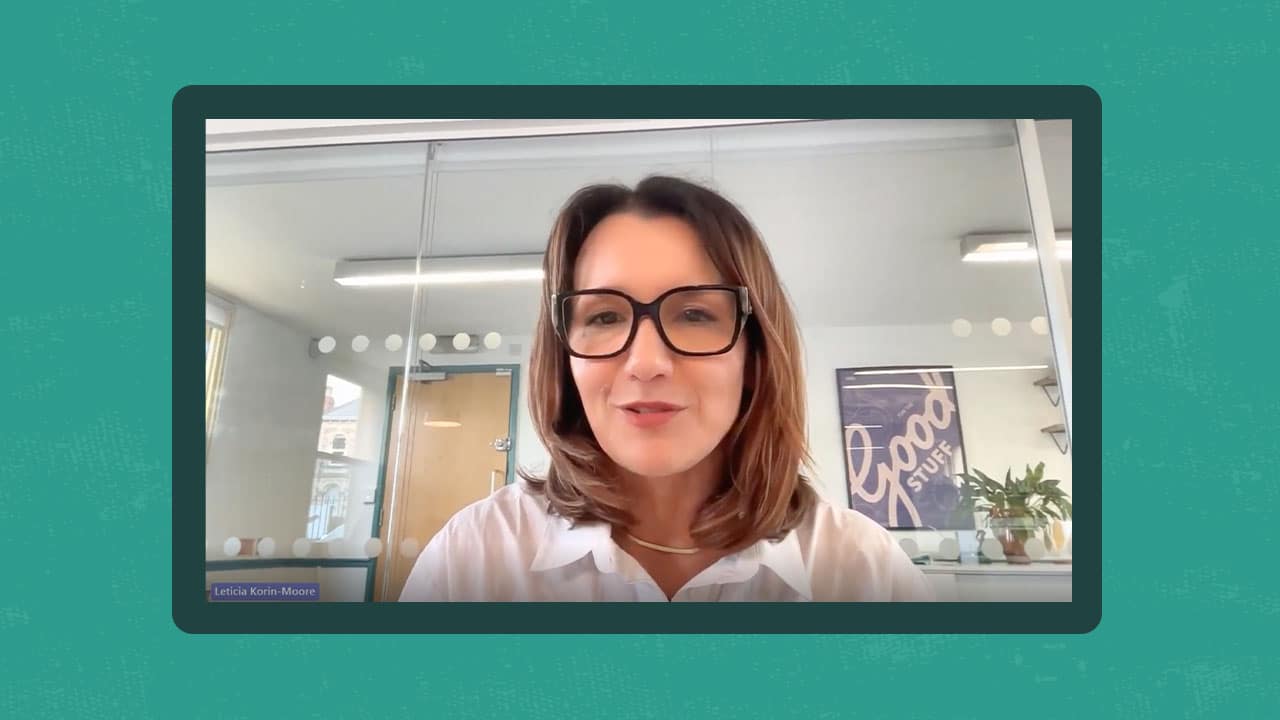
Hosted by SBW Managing Director Leticia Korin-Moore, the discussion brought together perspectives across strategy, creative and production.
Our speakers:
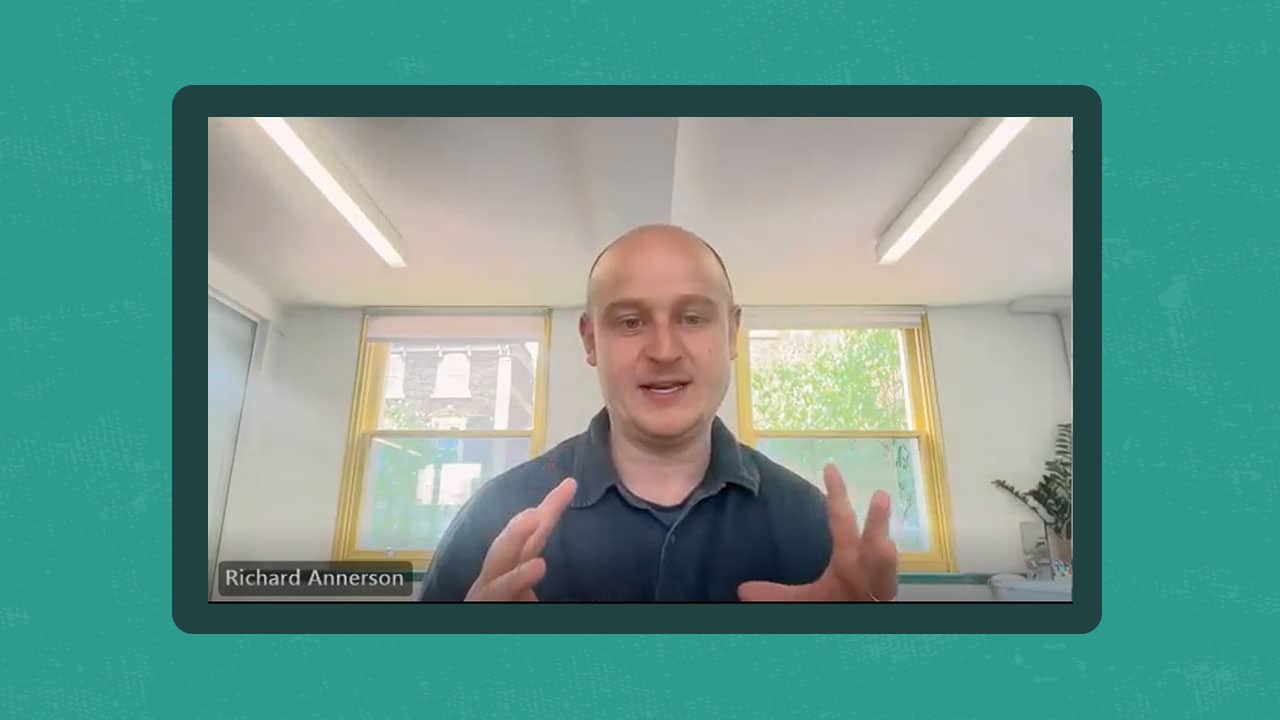
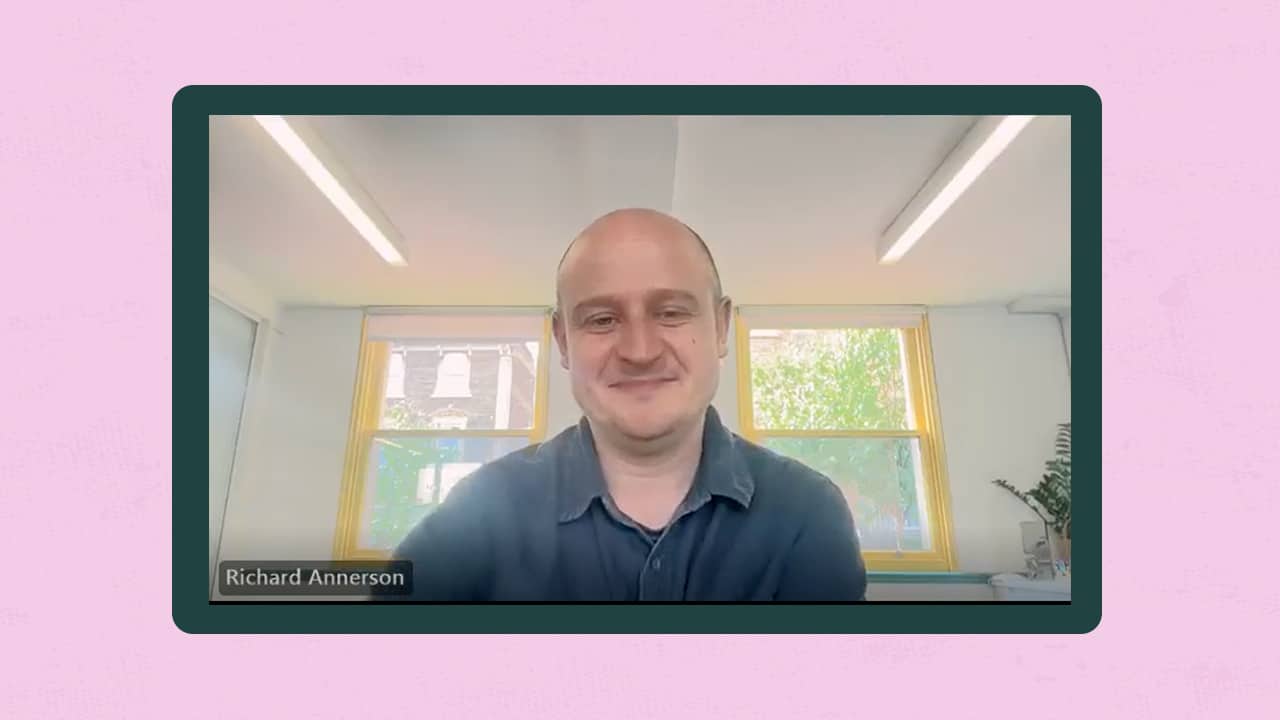
Richard Annerson, Head of Client Services, SBW: specialist in recruitment and employer brand, including hands-on experience within NHS recruitment teams
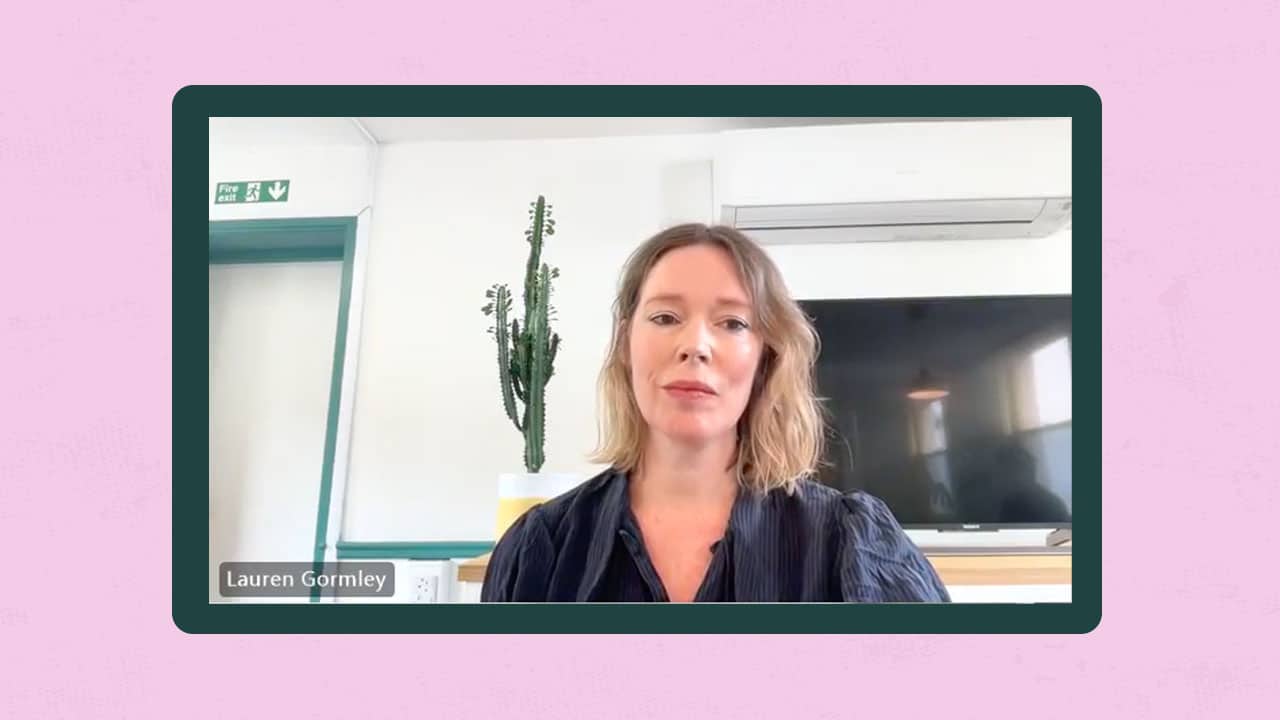
Lauren Gormley, Art Director & Studio Manager, SBW: 15+ years in creative development, editorial production and content design across public sector campaigns
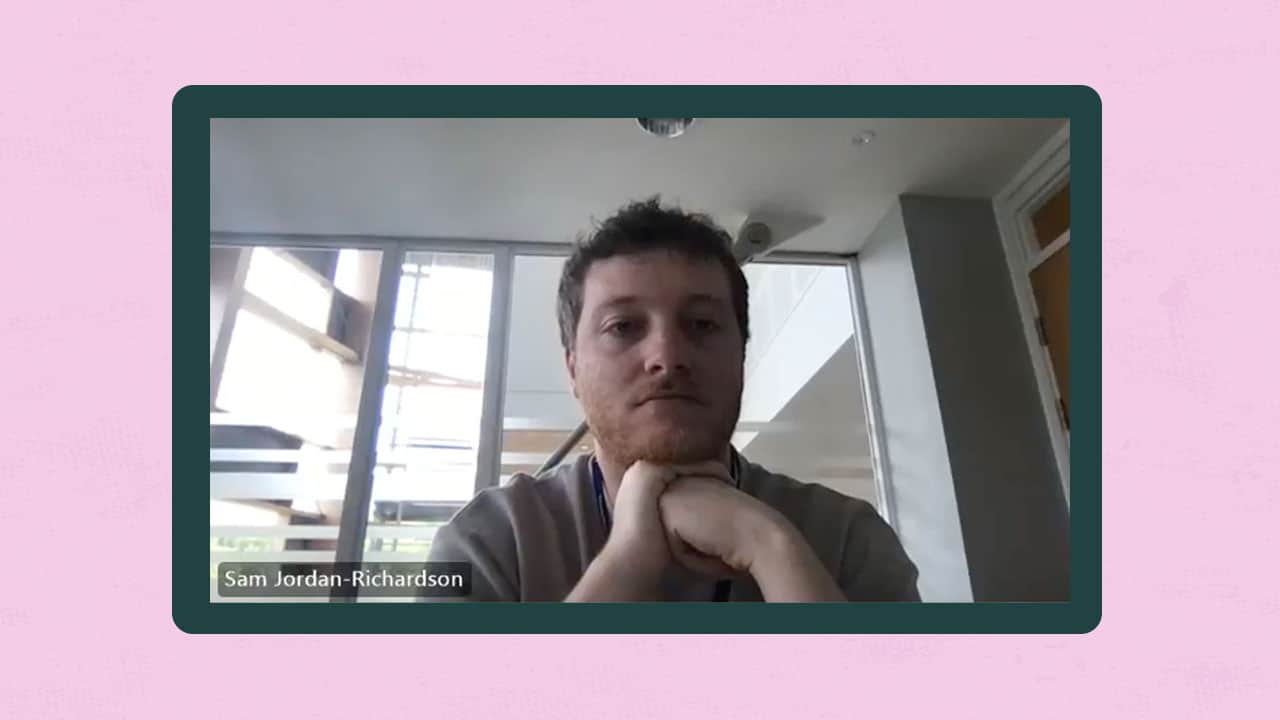
Sam Jordan-Richardson, Film Creative Director, OnPar: documentary-style filmmaker with extensive experience capturing real people in live, sensitive environments
Together, the session unpacked what it actually takes to deliver recruitment campaigns under pressure, not just what they look like at the end.
The case study:
A New Life Starts Today
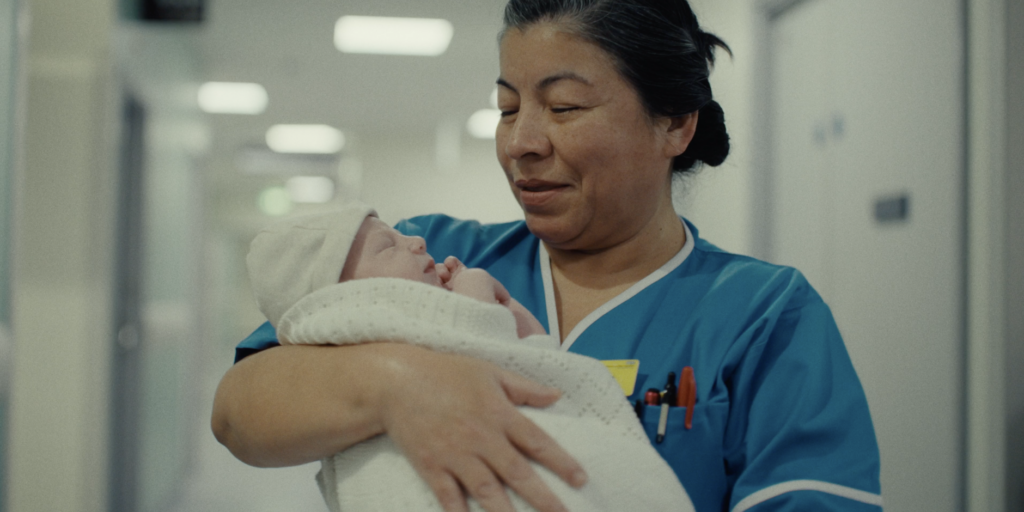
At the centre of the discussion was a midwifery recruitment campaign created for Gloucestershire Hospitals NHS Foundation Trust. The campaign went on to win both a RAD Award and a Recruitment Marketing Award, competing directly with some of the UK’s most recognisable brands, including The British Army, Asda, Currys, Volkswagen Group, Heineken, NSPCC, Nando’s and NHS England. But more importantly, it delivered.
A 50% increase in strong midwifery applications. Over 2,000 social engagements and more than 1,000 YouTube views. And just as importantly, genuine internal pride, with staff recognising themselves and their work in the campaign.
At the heart of the campaign was a simple idea, A New Life Starts Today.
A line that holds two meanings at once: the birth of a new baby, and the start of a new career. Everything that followed stayed true to that. Real midwives, in real environments. A quiet, observational style. No overproduction. No forced messaging. Just moments that reflected the reality of the role.
The aim wasn’t to describe the job. It was to help people feel what it’s like to do it. And in a sector where audiences are quick to question anything that feels overly polished, that authenticity matters.
We’ve pulled out some of the most useful moments from the webinar below, highlighting key points around insight, creative approach and delivering under constraint.
Watch key highlights of the session
What this means in practice
One of the clearest themes from the session was how often campaigns fall short before they even begin.
Not because of budget, but because of approach.
When teams move too quickly into execution, they risk missing what actually makes the role or organisation different… aka the Employer Value Proposition (EVP) or the unique selling point (USP) as a place to work.
But when there’s a genuine understanding of why they chose to work (and stay) for an organisation… creative becomes simpler. Messaging becomes more believable. And the result is work that actually connects.
A practical next step (our guide)
Your Guide to Recruitment Films that Actually Work (even on tight budgets)
Understanding what works is one thing. Applying it under pressure is another.
When time is limited and roles are urgent, it’s easy to jump straight into activity, without stepping back to focus on what will actually make the difference.
So, we’ve pulled together 5 key principles that consistently work into a short, 10-page guide, built for busy NHS and public sector teams, focused on what works in practice, and how to apply it quickly.
1. Insight comes first
Real understanding beats assumptions, every time.
Quick ways to get meaningful insight without long research, workshops or overcomplicating the process.
2. Pay matters, but it’s rarely the differentiator
Candidates don’t just choose roles, they choose environments. How to pinpoint what genuinely sets your organisation apart and make it come through clearly.
3. Show the role, don’t just describe it.
Authenticity beats polish.
People connect with moments, not messaging (and if it feels over-produced, it can work against you).
Pro-tips to capture real experiences, even with busy teams or people who don’t want to be on camera.
4. Constraints can strengthen the work
Limited time, budget and access – how to get the best film.
Practical approaches to planning, staying focused, and adapting when things don’t go to plan.
5. Film is only part of the solution
Now that you have a brilliant film, you need to make it part of a campaign that is reaching the candidates you want, and driving applications.
How to make it work harder, through targeting, channels and internal advocacy.
👉 Download our 10-page practical guide to recruitment films that actually work, and start applying it straight away

Explore the full story
If you’d like to see more of the thinking behind the campaign, you can explore the full case study here:
Stay connected
If you’d like to see more work, thinking and practical insight like this, you can sign up to our Good Stuff Exchange.